 Celtic PenitentiarySiúlóidí Stairiúla BÁC · Est. 2015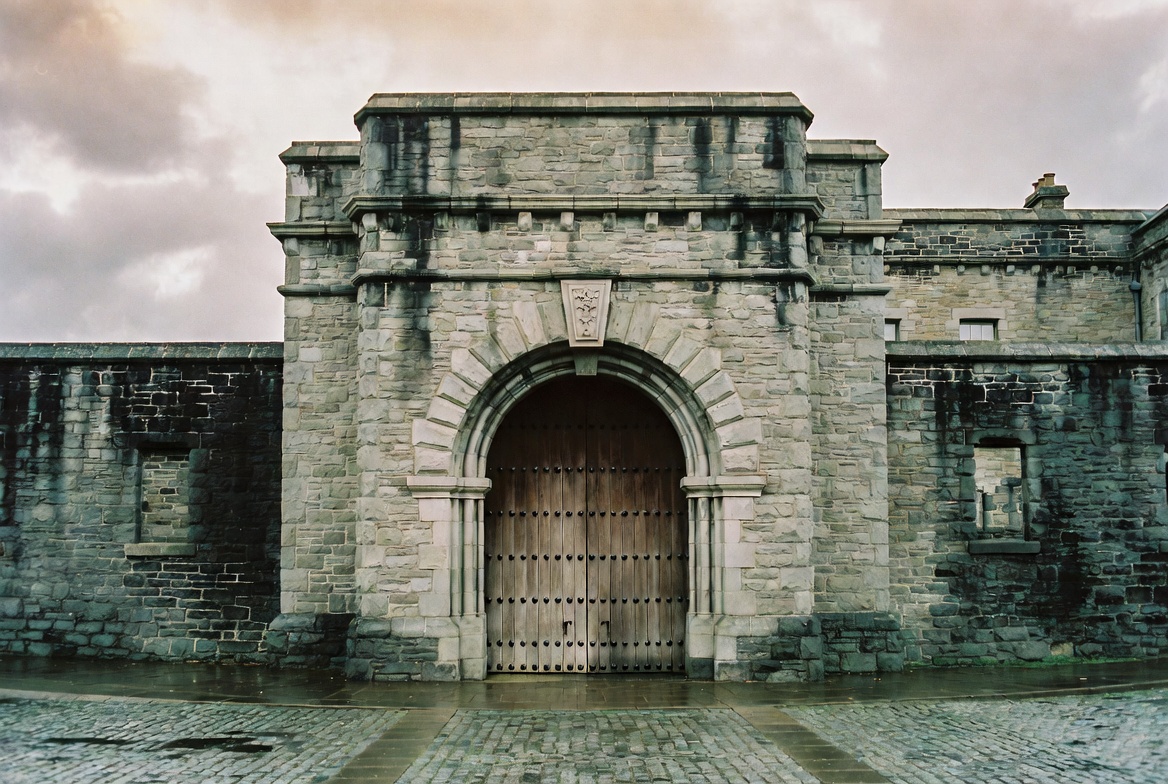
Cill Mhaighneann
& Na Saoirsí.
3.5 uair, 4 km, seacht stad. Buail ag réamhchúirt an Phríosúin, críochnaigh ag Ardeaglais Chríost — an príosún, an teach cúirte béal dorais, an Ospidéal Ríoga, Naomh Pádraig agus Leabharlann Mharsh, gach ceann léite ón taobh amuigh. €48 in aghaidh an tsiúlóra. 12 siúlóir ar a mhéad.
An príosún, an teach cúirte, an teach oibre, an paróiste.
Is é Príosún Chill Mhaighneann an príosún is mó a ndéantar grianghraf de san Eoraip agus ceann de na cinn is lú a thuigtear. Timpeall a bhallaí — bogha amháin pábhála ón réamhchúirt go dtí an Life go dtí paróiste Naomh Pádraig — tá an Baile Átha Cliath a thóg é, a chothaigh é, a throid faoi agus a fhágáil folamh é: an teach cúirte inar léadh a phianbhreitheanna, an teach oibre inar chríochnaigh a theaghlaigh, an ardeaglais a chuir a mhairbh. Siúlfaimid an bogha sin leat, go mall, in ord.
Buail ar réamhchúirt phábháilte an Phríosúin ag 09:30 (siúlóid mhaidine) nó 13:30 (siúlóid tráthnóna). Críochnaigh trí huaire go leith ina dhiaidh sin ag geata íochtair Ardeaglais Chríost — cúig nóiméad ó na busanna ar Mhargadh an Choirce, siúlóid cúig nóiméad déag chuig an Luas ag Na Ceithre Cúirteanna. Ceannaigh do thicéad istigh do Mhúsaem an Phríosúin ar lá eile; seolfaimid an nasc duit leis an áirithint.
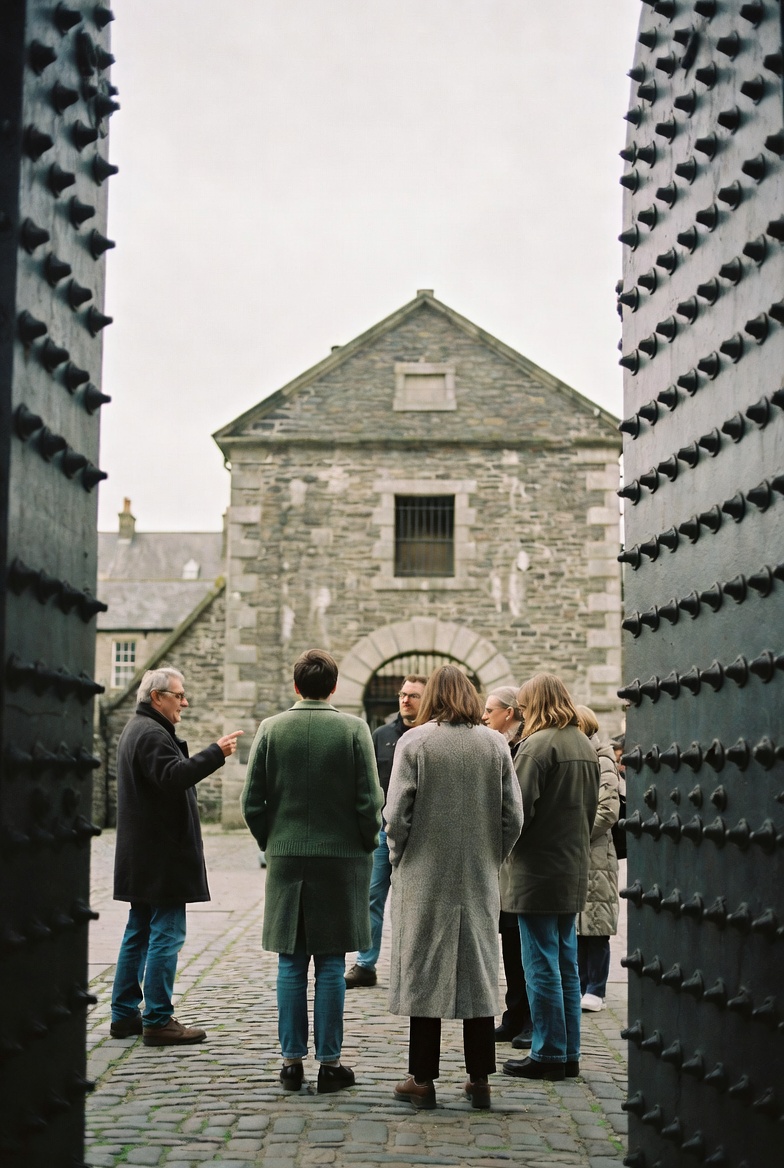
Seacht stad, dhá scíth shuite.
Amlíne oibre. Braitheann an luas ar do threoraí, ar an aimsir agus ar na ceisteanna a chuireann do ghrúpa — ach tugann gach siúlóid Chill Mhaighneann cuairt ar na seacht stad, in ord.
-
0:00 · Kilmainham Gaol forecourt
The gate, and what you do not see through it.
We meet on the cobbles outside the eighteenth-century gate — the limestone keystone with the chained serpents, the iron studs, the worn step. Forty minutes on the eastern panopticon wing, the men and women held there from 1796 to 1924, and why the Free State closed it on the morning of 7 April 1924 with a single ceremonial key turn.
-
0:45 · The Courthouse next door
Where every committal began.
Most prisoners arrived at Kilmainham not from the street but from this neighbouring courthouse, by a short underground tunnel under what is now a council car park. We read the courthouse facade, the police bench across the road, and the magistrates' procession. A fifteen-minute stop with the file numbers on Cormac's notepad.
-
1:15 · The Royal Hospital, Kilmainham
Charles II's veterans, two centuries early.
Across the road and over the Camac, the seventeenth-century almshouse for invalid soldiers — older than London's Chelsea Hospital, the model for it in fact — now the Irish Museum of Modern Art. We walk its formal forecourt and read it as a building; we do not enter the museum. Our first sit-down on the south lawn bench.
-
1:55 · The Camac, the Liffey, and the riverbank path
The road into Dublin.
A twenty-minute walk along the south bank of the Liffey on the Memorial Road path, with the city coming up behind the trees. A short stop at Watling Street Bridge to read what's left of the eighteenth-century Guinness wharf and the long-vanished cattle market.
-
2:25 · Thomas Street and the Liberties
The parish that fed the Gaol.
Up Watling Street and along Thomas Street — the working spine of the eighteenth-century Liberties, the parish whose tenement names fill the Kilmainham committal registers. Stops at the spot where Robert Emmet was hanged in 1803 (a doorway, no plaque), at St Catherine's, and at the old Iveagh Markets. Coffee stop and second sit-down at a chosen Thomas Street café.
-
3:00 · St Patrick's Cathedral & Marsh's Library
The wet ground that wouldn't stop being a church.
Around the perimeter of St Patrick's — Swift's deanery, the Norman foundation, the persistent puddle in the south yard that maps the original well of the saint's baptism. Twenty minutes outside Marsh's Library next door, the oldest free public library in the world, on its iron staircase from outside. No interior visit; the library closes its public hours at 17:00.
-
3:25 · Christ Church Cathedral, lower gate
Closing the circle on the high city.
Up the rise to Christ Church — the older cathedral, the seat of the medieval bishopric, the building that defines the highest point of the city. A final twenty minutes at the lower gate, an open Q&A on what we've walked, and our recommendation note for what to read and which interior tour (if any) to book next.
What's included
- Three and a half hours with a resident guide
- Small group, no more than twelve walkers
- Two seated stops along the route, including coffee on Thomas Street
- Printed pocket-map of the Kilmainham arc
- A one-page recommendation for the inside tour, sent on booking
Good to know
- About 4 km on flat Dublin paving with one short cobbled stretch
- No interior visits to any building on the route
- The riverbank path is partly unsealed gravel; tell us in advance if step-free is essential
- We walk in light rain — bring a layer and a waterproof
- Children welcome from age 12 with a paying adult
- Closed on Christmas Day, St Stephen's Day, and Good Friday
Photographs from recent walks.
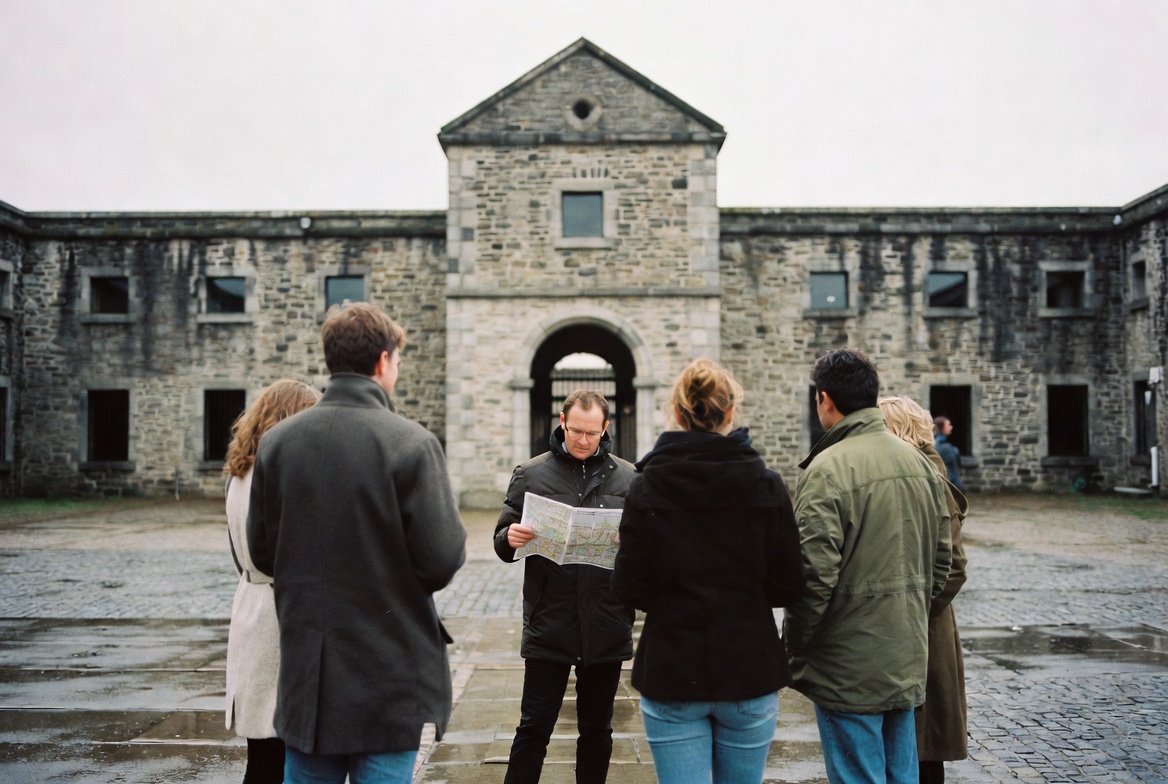
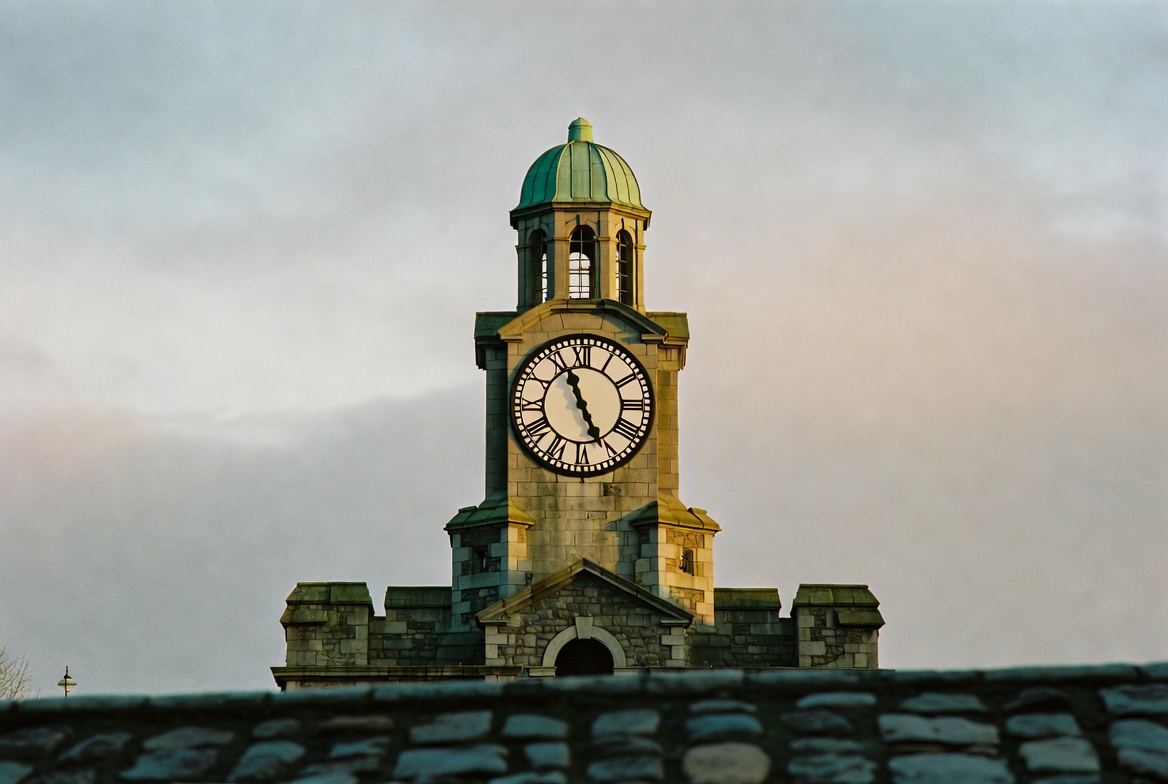
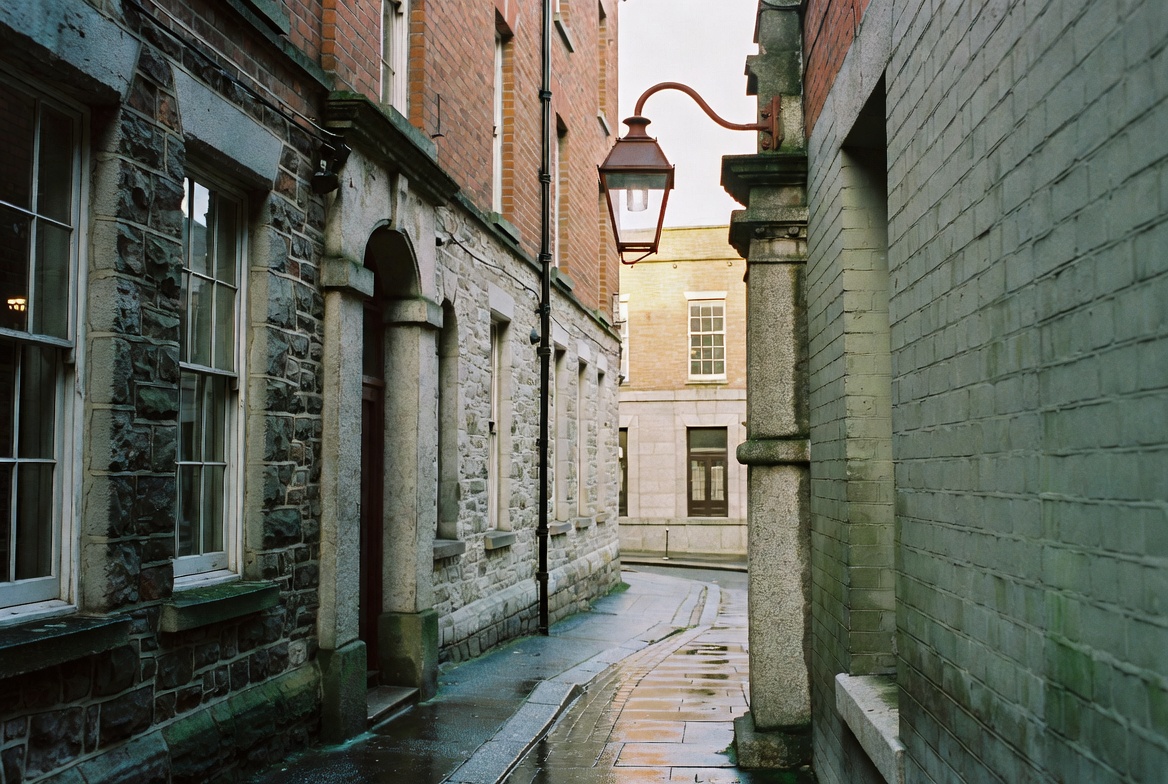
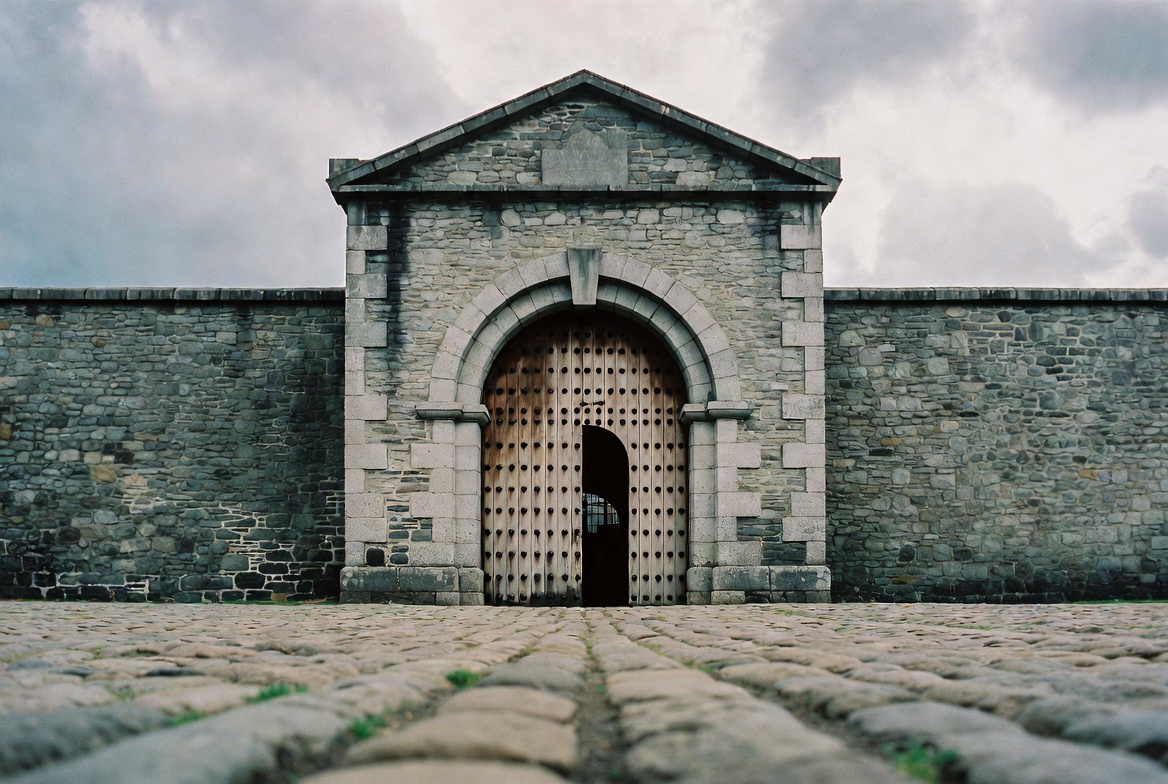
Three and a half hours along Dublin's longest argument with itself.
Send us your dates and group size; we'll quote within one working day. We hold each walk to twelve walkers.